Physiotherapy After Knee Replacement: What To Expect, Week By Week
Knee replacement surgery fixes the joint. Physiotherapy is what gets you walking, climbing stairs and living normally again. The surgery and the rehab are two separate jobs, and the second one usually takes longer than people expect. Here is a realistic, week-by-week picture of what it involves.
Days 1 to 3: getting the knee moving
Physiotherapy typically starts within a day of surgery, while you’re still in hospital or shortly after. The goals are simple:
- Get you standing and walking a short distance with a frame or crutches
- Begin gentle knee bending and straightening exercises
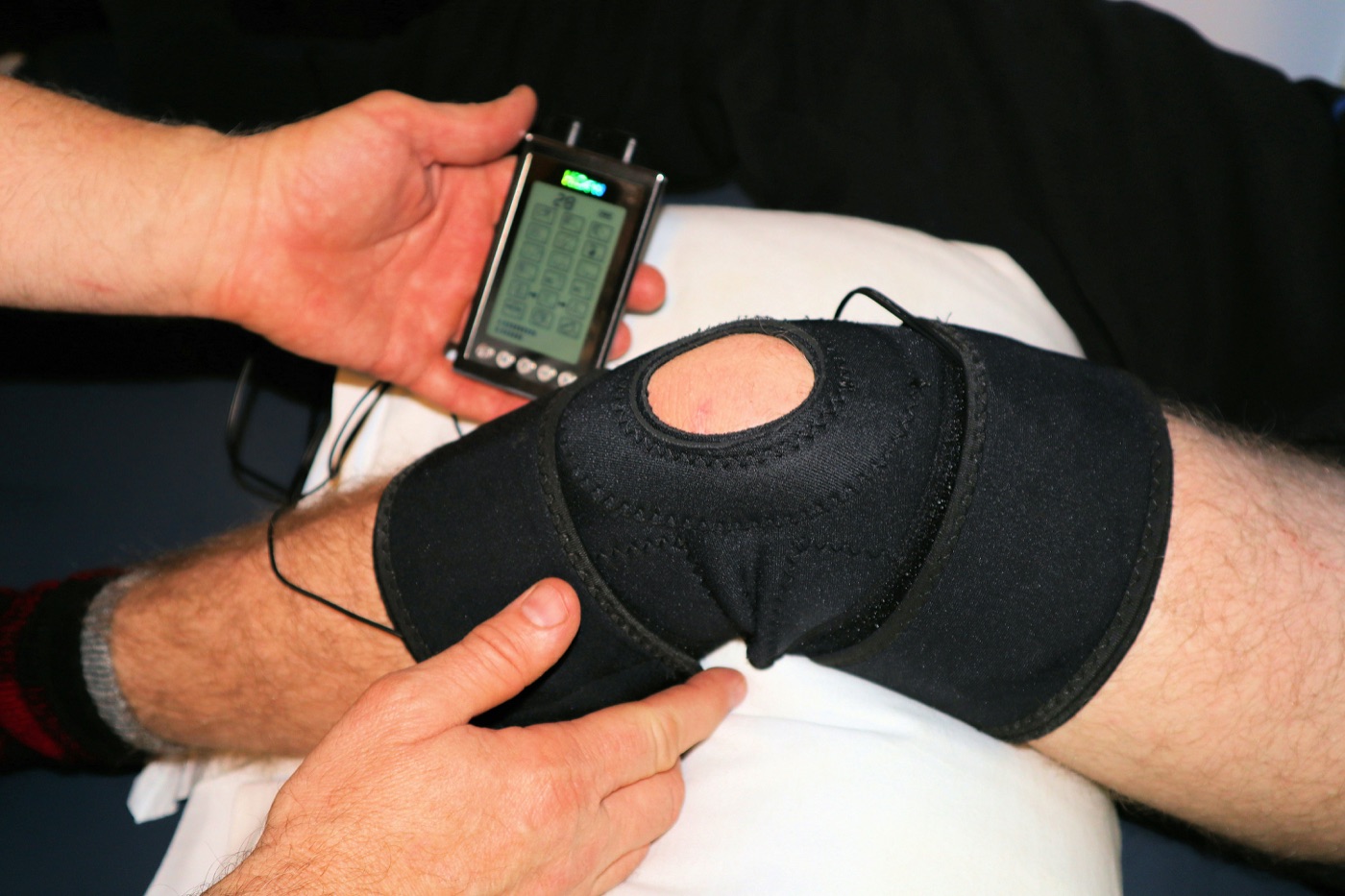
- Manage swelling and post-op pain, often alongside TENS, ice and elevation
Pain and swelling are expected here. The knee will feel tight and the muscles around it, especially the quadriceps, switch off after surgery and need to be woken back up deliberately.
Weeks 1 to 2: building the basics
Once home, this is where consistency matters most:
- Daily exercises, several short sessions rather than one long one
- Bending target: working toward around 90 degrees of knee flexion
- Straightening target: getting the knee to fully straighten, which is just as important as bending and often neglected
- Walking, gradually reducing reliance on a frame or crutches as strength returns
This is also when post-op pain tends to peak and then start easing. Pain that is getting worse rather than better, or new redness, heat and fever, needs a call to your surgeon, not just physio.
Weeks 3 to 6: strength and independence
- Progressing to a cane, then walking unaided as balance and strength allow
- Strengthening exercises for the quadriceps, hamstrings and hip
- Stair practice, both up and down
- Most people can return to light daily activities and often driving (once off strong painkillers and with your surgeon’s sign-off) by around 6 weeks
Weeks 6 to 12 and beyond
- Range of motion should be close to normal, walking without aids
- Focus shifts to higher-level strength, balance, and returning to specific activities: work, gardening, gym, golf, longer walks
- Full recovery, including the last of the swelling and stamina, commonly takes 3 to 6 months, sometimes up to a year for the knee to feel completely “normal” again
Why physiotherapy matters as much as the surgery
The new joint is only ever as good as the muscle control and range of motion built around it. Skipping or under-doing rehab is the single biggest reason people end up with a stiff knee, a limp, or ongoing pain months after a technically successful operation.
What we do at Alpha Physiotherapy
- A tailored programme, not a generic sheet, based on how your knee is actually responding
- Hands-on treatment for stiffness and swelling, alongside TENS, laser and ultrasound where it helps
- Pain management that adapts as you progress, so exercise stays consistent even on harder days
- Clear milestones so you know what “on track” looks like at 2 weeks, 6 weeks and 3 months
If you’re preparing for knee replacement surgery or already recovering from one, book an assessment and we’ll build your plan around where you actually are.
Book an appointment
Alpha Physiotherapy is on PWD Road, Rawalpindi, open Monday to Saturday, 10:00 AM to 10:00 PM.
Book now